Beyond the Basics: Conquering the Fifth Position on the Guitar

Chapter 1: Introduction to the Fifth Position on the Guitar
What is the fifth position on the Guitar?
The fifth position on the guitar is located with the first finger at the fifth fret. It is also responsible for the fourth fret notes. The pinky finger also has added responsibilities and should stretch to the ninth fret notes.
I will introduce the natural notes on each string.
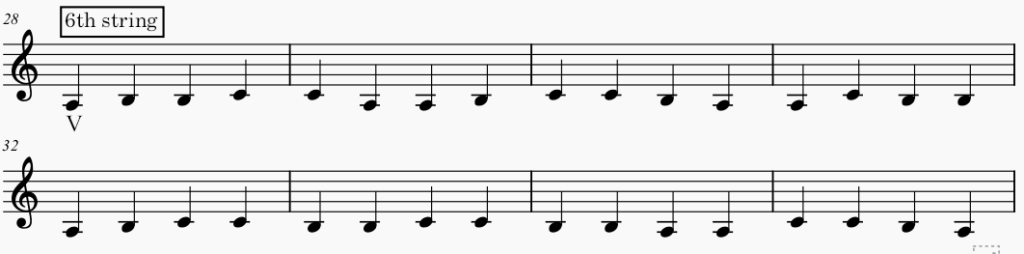
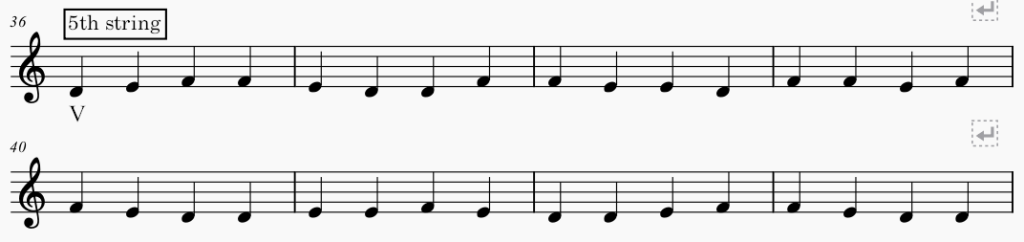
I have kept the rhythm simple with quarter notes. As you learn where the notes are on both the staff and neck, use different rhythms for each note. For example, two eighth notes per beat, half notes, dotted quarter notes, followed by an eighth note, etc.
First, on the lowest string, the sixth string will include the notes A, B, and C.
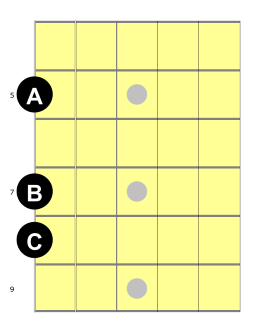

Note Reading on the 6th String
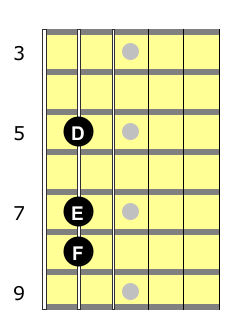
Fifth-string notes include D, E, and F.

Note Reading on the 5th String
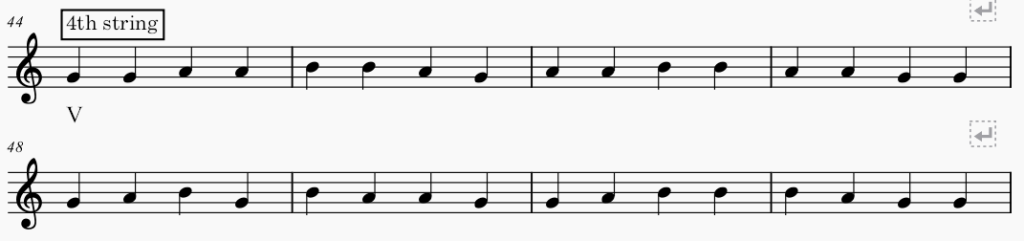
Fourth-string notes include G, A, and B.
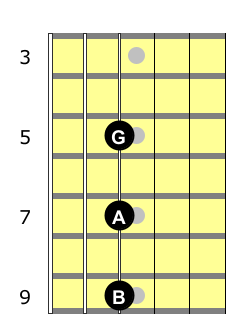
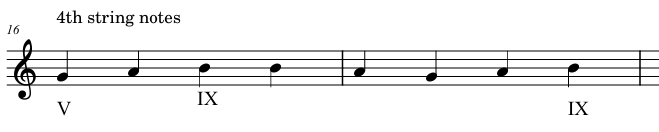
Note Reading on the 4th String
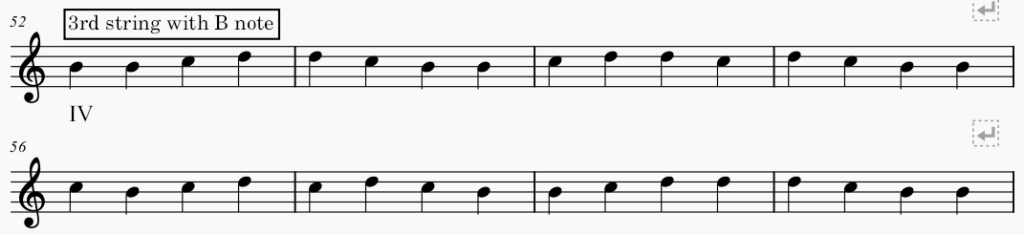
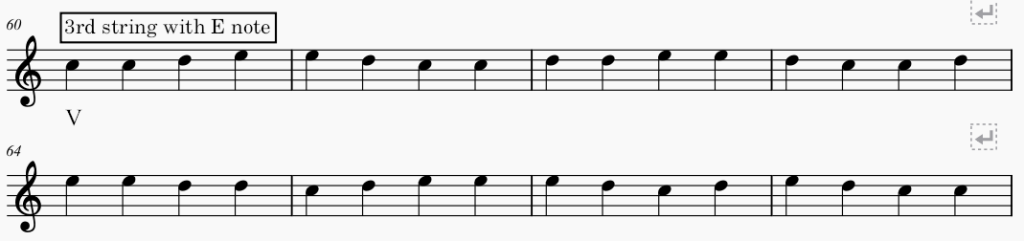
Third-string notes include B, C, and D. I also included C, D, and E notes for the second exercise.
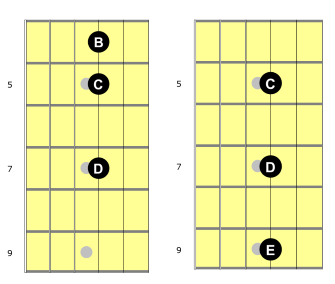

Note Reading on the 3rd String
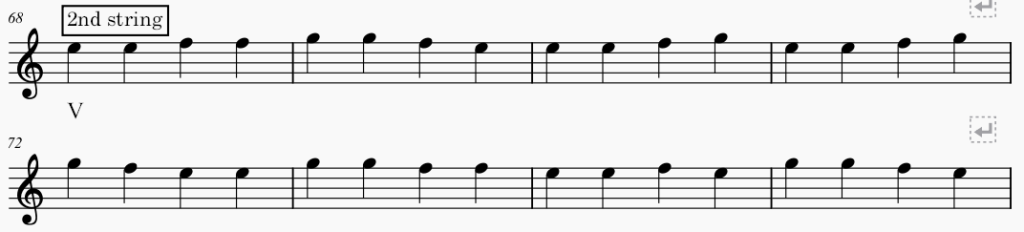
Second-string notes include E, F, and G.
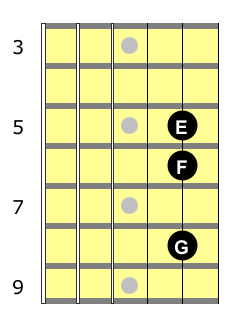

Note Reading on the 2nd String
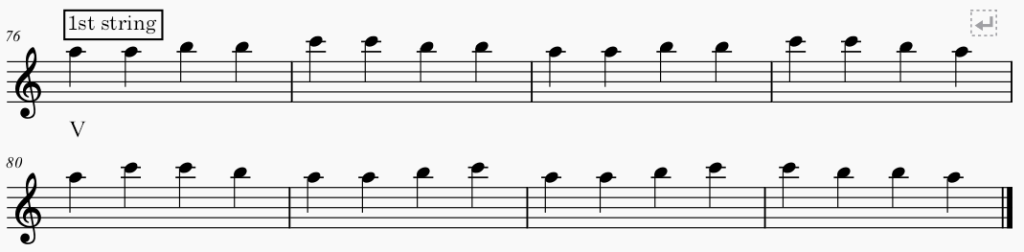
And the First string notes are the same as the sixth string, A, B, and C.
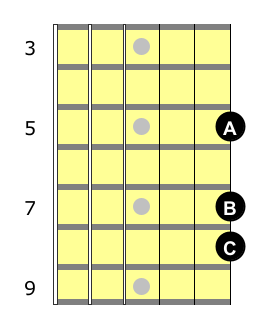
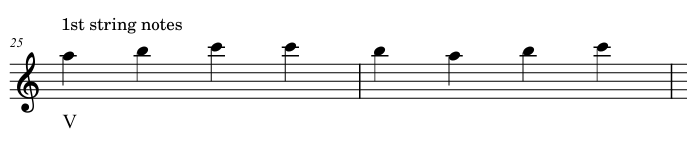
Note Reading on the 1st String
Why is it important to learn?
Reading notes in other areas on the fretboard will expand your horizons. The guitar has many positions available to play the same note in different positions, unlike other instruments that have only one specific area or fingering to play a note.
This will open your thinking when you encounter notes and help you to realize what position you could or should play the notes.
Benefits of mastering the fifth position
First, look at the range of notes in this position, reading notes from low A to high C on the first string, eighth fret. Next, notice that this is not as low as reading the low E, F, and G notes in my blog named Reading Music for the Guitarist.
Chapter 2: Understanding the Fretboard in the Fifth Position
Visualizing the fretboard layout
Looking at the natural notes gives you the C major scale pattern at the fifth fret position.
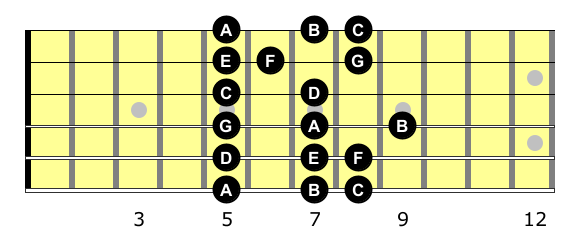
This pattern can be moved to other frets, creating a different major scale. For example, if you move this pattern back 3 frets, you will be playing an A-major scale. So knowing this pattern will help you visualize this pattern in other positions on the guitar.
In Closing
As always, go slow and use a metronome. I would put it on the lowest setting possible. Then, gradually increase the tempo over time. Remember, if you make a mistake with a note or rhythm, skip that beat or maybe even a whole measure till you can come back in on the next measure.
Have fun and keep practicing!
Notation was made with MuseScore, which you can download here if you want to make your own reading exercises: https://musescore.org/en
Neck diagrams came from https://www.neckdiagrams.com/